
Why Reliable Conference AV Setup Matters for Modern Business Events
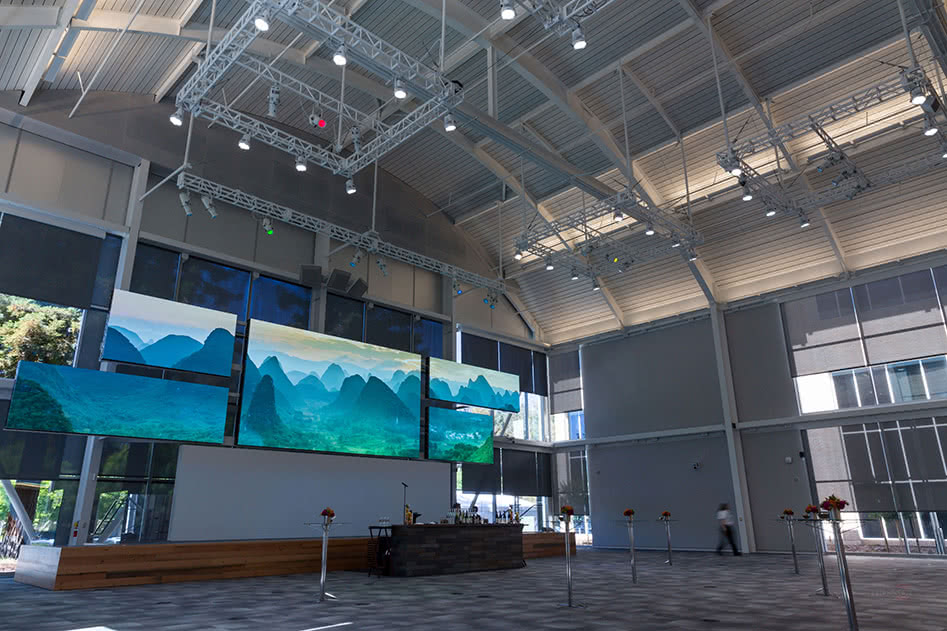 A reliable conference AV setup helps business events run smoothly by making speakers easier to hear, presentations easier to follow, and sessions more professional. In 2026, conferences depend on clear audio, sharp visuals, stable microphones, and well-planned technical support. Poor sound or weak presentation equipment can interrupt learning, reduce audience trust, and make even a strong event feel disorganized.
For event planners, the most important AV decision is not just choosing equipment. It is choosing the right setup for the room, audience size, presentation format, and speaker needs. That is why working with experienced providers such as https://aaaveventsolutions.com/ can help reduce technical problems before the event begins.
What is conference AV setup?
Conference AV setup is the planning, installation, and management of audio, video, lighting, display, and presentation equipment for meetings, seminars, trade shows, and corporate events. A proper setup includes microphones, speakers, projectors, screens, mixers, cables, lighting, and technical support arranged around the event’s goals.
The best conference AV setup starts with the room. A small boardroom may only need a wireless microphone, display screen, and compact speakers. A large conference hall may need multiple speakers, stage monitors, projection, confidence monitors, lighting control, and a technician on site.
AVIXA, the professional AV trade association, reports that global pro AV revenue is forecast to grow from $332 billion in 2025 to $402 billion by 2030, showing how important AV technology has become for events, venues, education, and business communication.
Why does AV matter at business events?
AV matters because it controls how clearly people receive information. At business events, attendees are usually there to learn, network, make decisions, or evaluate products. If the audio is unclear or the screen is difficult to see, the event loses attention and credibility.
Good AV supports three outcomes:
- Clarity — people hear and see the message.
- Confidence — speakers present without technical stress.
- Professionalism — the event feels organized and credible.
The Events Industry Council’s 2026 Global Economic Significance of Business Events Study highlights how business events support economic growth, innovation, workforce development, and global competitiveness. The same report notes that trade shows brought together 318 million participants across more than 180 countries in 2025 and generated US$179 billion in direct spending.
That scale explains why reliable technical production matters. Events are no longer simple gatherings. They are business platforms.
What equipment does a conference usually need?
A conference usually needs microphones, speakers, display screens, projectors, laptops, switchers, lighting, extension power, and backup cables. Larger events may also need livestream equipment, recording gear, stage lighting, wireless microphone systems, and a dedicated AV technician.
Common conference AV equipment includes:
| Equipment | Purpose |
|---|---|
| Wireless microphones | Helps speakers move freely |
| PA speakers | Makes speech clear across the room |
| Projector or LED screen | Displays slides and visuals |
| Audio mixer | Balances microphones and playback |
| Stage lighting | Keeps speakers visible |
| Cables and adapters | Connects laptops and devices |
| Technician support | Solves problems quickly |
For sound-specific events, planners should consider professional speaker rental los angeles services, especially when the room is large, the audience is spread out, or multiple presenters are involved.
How does speaker clarity affect event success?
Speaker clarity affects event success because attendees judge the value of a presentation by how easily they can follow it. If the microphone cuts out, echoes, or sounds too low, the message becomes harder to trust. Clear audio keeps attention focused on the speaker, not the equipment.
In business events, the speaker may be a CEO, trainer, sales presenter, keynote guest, or panel moderator. Each format needs a different microphone approach.
For example:
- A keynote speaker may need a wireless lavalier or headset mic.
- A panel may need table microphones or handheld wireless mics.
- A training session may need both presenter audio and laptop audio.
- A product demo may need a microphone, projector, and camera feed.
Event Safety Alliance guidance also emphasizes that event safety and planning cover areas such as communication, emergency planning, crowd management, venue design, rigging, temporary staging, and other production issues.
That means AV is not only about sound quality. It is part of the event’s full operating system.
How should planners choose AV support?
Planners should choose AV support based on event size, room layout, speaker format, technical complexity, and the level of support needed during the event. The cheapest equipment option is not always the safest choice if it leaves no backup plan.
A good AV partner should ask:
- How many attendees will be present?
- Is the event indoors or outdoors?
- Will there be speeches, panels, music, or video playback?
- Does the venue provide power access?
- Will the event be recorded or streamed?
- Is there a rehearsal or sound check?
- Who will troubleshoot during the event?
These questions help match the equipment to the event instead of guessing.
Conference AV checklist
Use this checklist before confirming your AV setup:
- Confirm audience size.
- Confirm room layout.
- Test every microphone.
- Test laptop-to-screen connection.
- Check power points and extension needs.
- Walk the room and test audio from the back.
- Prepare backup cables and adapters.
- Assign one person to handle AV issues.
- Schedule a sound check.
- Confirm teardown timing with the venue.
Practical example
A 200-person business seminar in Los Angeles may need two wireless handheld microphones, one lavalier mic, two or four PA speakers, a projector, a screen, a laptop switcher, and a technician. If the speaker moves around the stage, a lavalier or headset mic is better than a fixed podium mic. If video clips are part of the presentation, the audio must be routed through the PA system, not just the laptop.
This planning prevents the most common conference problems: low sound, wrong adapters, unreadable slides, and last-minute scrambling.
FAQs
What is the most important part of conference AV setup?
The most important part is clear audio. If people cannot hear the speaker, the event fails even if the visuals look good.
Do small business events need professional AV?
Yes, small events can still need professional AV if there are presentations, microphones, video playback, or a large room.
How early should AV be planned?
AV should be planned as soon as the venue and event format are confirmed. Waiting until the final week increases the risk of missing equipment.
What is better for speakers: handheld or lavalier microphones?
Handheld microphones are flexible and simple. Lavalier microphones are better for presenters who need to move freely or use both hands.
Should every event have a sound check?
Yes. A sound check helps identify microphone, speaker, cable, and laptop issues before attendees arrive.
Conclusion
Reliable conference AV setup is one of the easiest ways to make a business event feel organized, professional, and valuable. The right setup improves speaker clarity, keeps attendees focused, and reduces technical delays. Before booking equipment, match the AV plan to the room, audience, and presentation format.